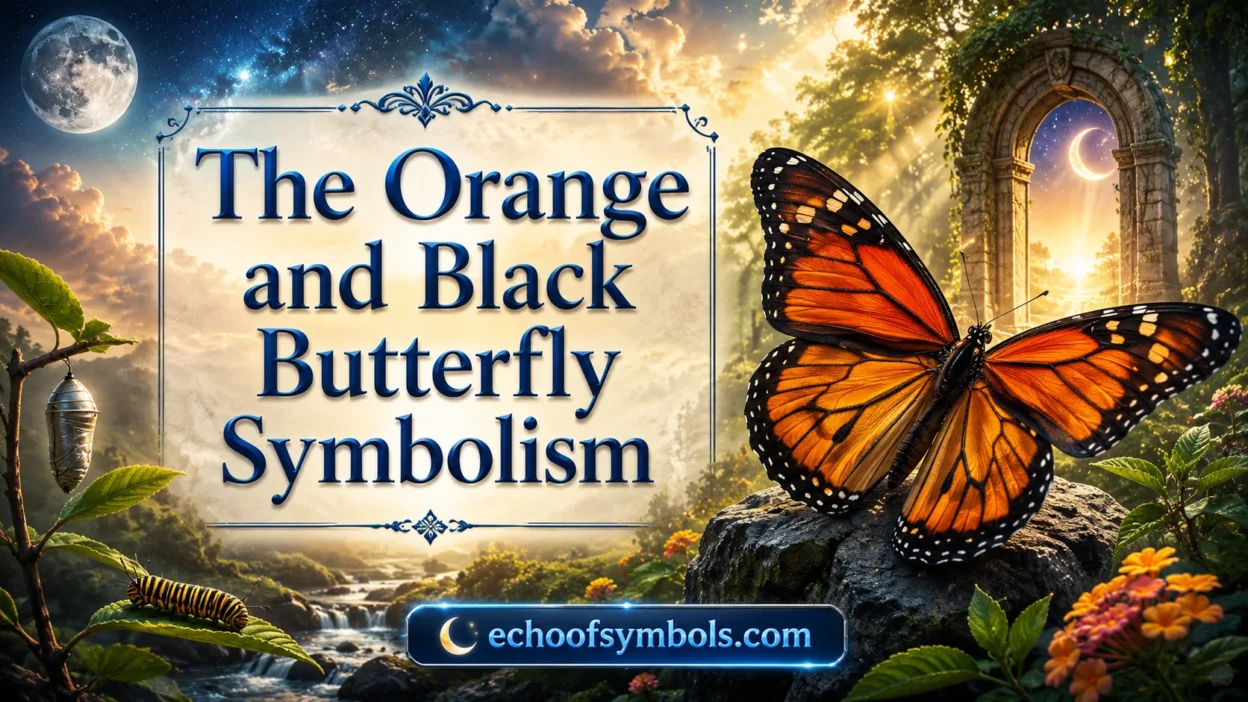
The orange and black butterfly carries deep butterfly symbolism today. In modern culture, spiritual meaning reflects United States symbolism deeply. This orange and black butterfly shows metamorphosis and transformation clearly. The monarch butterfly strengthens American identity and cultural symbolism significantly.
cultural traditions and dream symbols reveal spirit world guidance messages. resilience and renewal inspire creativity during life transitions naturally flow. In gardens, parks, and cities, recognition follows nature cycles closely. myths and legends explore hidden potential, hope, and balance within.
Also read this: The Butterfly Effect Symbol Really Means in America Today
Quick Answer
What does an orange and black butterfly symbolize? In the United States, the orange and black butterfly primarily symbolizes transformation, renewal, and spiritual messages from departed loved ones. Many Americans view it as a sign of encouragement during difficult times. The monarch butterfly, in particular, represents resilience, hope, and the journey of life itself.
TL;DR
• Orange and black butterflies symbolize transformation, spiritual guidance, and personal growth in America.
• The monarch’s migration across North America represents perseverance and finding one’s path.
• Many cultures see these butterflies as messengers between the living and the dead.
• Today, they appear in tattoos, art, social media, and as symbols of environmental awareness.
• Understanding their meaning helps connect us to nature and our own inner changes.
What Is an Orange and Black Butterfly?
The orange and black butterfly describes any butterfly species with dominant orange and black wing patterns. In North America, the monarch butterfly is the most recognized example. Its wings display bright orange with black veins and white spots along the edges. Other species include the viceroy, which mimics the monarch, and the Gulf fritillary with its long, orange wings marked with black designs.
These butterflies belong to the family Nymphalidae, often called brush-footed butterflies. Their bold coloration serves multiple purposes in nature. The bright orange warns predators that the butterfly may taste bad or be poisonous. At the same time, the black patterns help break up their shape, making them harder to spot among leaves and branches.
The Monarch: America’s Most Famous Butterfly
The monarch butterfly holds a special place in American culture. It is the state insect of seven states, including Texas, Minnesota, and Illinois. Its annual migration from the United States and Canada to Mexico spans thousands of miles. This epic journey inspires awe and wonder in people of all ages.
Monarchs are also essential pollinators. They visit flowers for nectar, helping plants reproduce along the way. Their life cycle—from egg to caterpillar to chrysalis to butterfly—makes them powerful symbols of transformation. Children learn about metamorphosis in school, and monarchs often become their first real connection to the natural world.
Other Common Species in the United States
The viceroy butterfly looks very similar to the monarch but has a black line crossing its hindwings. This mimicry helps protect the viceroy from predators. The painted lady butterfly also has orange and black markings, though its patterns differ. The red admiral butterfly shows orange bands on black wings, adding more visual variety to the orange and black family.
In the southwestern United States, the monarch’s cousin, the queen butterfly, shares similar colors. Each species has adapted to different environments, but all share the bold orange and black combination. This consistency across species reinforces the color’s symbolic power in human eyes.
Historical Origins of Butterfly Symbolism
Butterflies have fascinated humans for thousands of years. Ancient civilizations across the globe noticed their transformation from caterpillar to winged beauty. This process seemed magical, almost supernatural, to early peoples. As a result, butterflies often appeared in myths, art, and religious symbols.
Ancient Roots and Early Beliefs
In ancient Greece, the word for butterfly was “psyche,” which also meant soul. The philosopher Aristotle wrote about butterflies, noting their transformation. The Greeks believed butterflies represented the human soul, especially after death. A butterfly emerging from its cocoon was like a soul leaving the body at death.
The ancient Aztecs and other Mesoamerican cultures also saw butterflies as souls. They associated monarch butterflies with the spirits of warriors and ancestors. The arrival of monarchs each fall coincided with the Day of the Dead celebrations in Mexico. This connection between butterflies and the dead continues today.
Pre-Christian European Traditions
In Celtic Europe, butterflies were sometimes seen as fairies or magical beings. Some legends said butterflies carried prayers to the gods. Others believed that seeing a butterfly near a dying person meant the soul was escaping peacefully. The orange color, associated with fire and the sun, added another layer of meaning.
Roman mosaics and frescoes show butterflies in scenes of transformation and love. The goddess Venus was sometimes shown with butterflies nearby. These ancient images established butterflies as symbols of beauty, love, and change. Over centuries, these ideas merged and spread across cultures.
The Butterfly in Christianity
Christian art occasionally used butterflies to represent the resurrection of Christ. The caterpillar’s death and rebirth as a butterfly paralleled the story of Jesus rising from the tomb. Early Christian writers like St. Clement of Alexandria used this comparison in their teachings. However, the butterfly never became as central as the fish or the cross.
By the Middle Ages, butterflies appeared in illuminated manuscripts and church carvings. They often symbolized the soul’s journey toward heaven. The orange and black butterfly, in particular, could represent the struggle between earthly desires (black) and divine love (orange). This dual meaning stuck with the butterfly through the centuries.
Symbolism of the Orange and Black Butterfly in the USA
In the United States, the orange and black butterfly carries multiple layers of meaning. Its symbolism touches on personal growth, spiritual connection, and national pride. Americans encounter these butterflies in daily life, and each sighting can feel like a message.
Transformation and New Beginnings
The most common meaning of the orange and black butterfly is transformation. This comes directly from the butterfly’s life cycle. When you see this butterfly, it may remind you that change is natural and good. In American culture, where self-improvement and reinvention are highly valued, this symbolism resonates deeply.
Many people report feeling inspired after seeing a monarch or other orange butterfly. It often appears during times of personal struggle or transition. The butterfly seems to say, “Keep going; you are becoming something beautiful.” This simple message has comforted countless Americans facing job changes, relationship shifts, or personal growth.
Spiritual Messengers and Signs from the Dead
Another powerful meaning involves spiritual connection. Many Americans believe that orange and black butterflies are messages from departed loved ones. The butterfly’s appearance at a funeral or memorial service often brings tears and comfort. People say it feels like a sign that their loved one is at peace.
This belief has grown stronger in recent decades. Online forums and social media are full of stories about butterfly encounters. People share photographs and describe the emotions they felt. The idea that a butterfly could carry a loved one’s spirit helps people cope with grief. It turns an everyday sight into something sacred.
Resilience and the Monarch’s Migration
The monarch butterfly’s migration is a uniquely American story. Every year, millions of monarchs travel from the northern United States and Canada to Mexico. They fly up to 3,000 miles, navigating by the sun. This journey takes several generations, with each generation completing part of the trip.
For Americans, this migration represents resilience, determination, and faith. It shows that even the smallest creatures can achieve extraordinary things. Environmentalists use the monarch as a symbol for conservation and protecting wildlife. The butterfly’s survival challenges remind us of our responsibility to the planet.
Cultural and Spiritual Meanings Across the World
While this article focuses on the United States, the orange and black butterfly appears in other cultures too. These traditions offer interesting parallels and contrasts. Understanding them gives a fuller picture of the butterfly’s global significance.
Mexican Day of the Dead Traditions
In Mexico, the monarch butterfly is deeply tied to Día de los Muertos (Day of the Dead). The monarchs arrive in Mexico around November 1st, the same time as the holiday. Local traditions say the butterflies carry the spirits of the dead back to visit the living. Families often decorate altars with orange and black butterflies to honor their ancestors.
This tradition blends Indigenous Aztec beliefs with Catholic practices. The Aztecs believed butterflies were warriors returning from battle. The Spanish later added Christian elements, but the butterfly remained central. Today, this connection has spread to Mexican-American communities in the United States.
Asian and European Perspectives
In China, butterflies are symbols of marital joy and young love. Two butterflies together represent a happy couple. The color orange adds luck and prosperity to the meaning. In Japan, butterflies are seen as souls of the living and the dead. A white butterfly is a common image, but orange butterflies also appear in folklore.
In parts of Europe, the butterfly was once feared as a witch in disguise. This belief faded over time, replaced by more positive interpretations. Today, most European cultures see butterflies as symbols of freedom and beauty. The orange and black pattern is admired for its boldness and contrast.
African and Native American Traditions
In many African societies, butterflies represent the soul and the afterlife. They appear in proverbs and stories about transformation. The orange color may represent the warmth of the sun or the fire of life. These meanings share much with Western interpretations.
Native American tribes have diverse views on butterflies. Some see them as spirits of the dead, while others consider them lucky charms. The Hopi people feature butterflies in their kachina dances. For them, the butterfly is a messenger of hope and renewal.
Emotional and Psychological Associations
Beyond its cultural meanings, the orange and black butterfly evokes strong emotions. People often feel joy, hope, or wonder when they see one. These feelings come from the butterfly’s beauty and its association with positive change.
Joy and Optimism
The bright orange color stimulates feelings of warmth and happiness. Psychologists note that warm colors like orange and yellow often lift our mood. When combined with the butterfly’s graceful flight, the result is pure optimism. Seeing an orange and black butterfly can brighten a bad day or provide a moment of peace.
People also feel a sense of connection to nature when they see one. It reminds them that life continues in its cycles. This perspective is grounding and reassuring in a busy world.
Hope During Grief
As mentioned earlier, many people see these butterflies as signs from beyond. This belief offers hope and comfort. It suggests that death is not an ending but a transformation. The butterfly becomes a symbol of eternal life, giving strength to the grieving.
Psychologists call this “meaning-making.” When people assign meaning to random events, they feel more in control. Seeing a butterfly at a meaningful moment creates a sense of order and purpose. This is why the butterfly is such a powerful tool for healing.
Personal Growth and Identity
The orange and black butterfly also encourages personal reflection. It asks questions like, “Who am I becoming?” and “What changes am I going through?” In American culture, where identity is often tied to career and personal milestones, this is significant. The butterfly reminds us that growth is a process, not a destination.
This meaning appears in art, literature, and therapy. Therapists sometimes use butterfly imagery to help clients visualize their own changes. It is a gentle way to frame difficult transitions.
Modern Usage in American Life
Today, the orange and black butterfly appears everywhere in American culture. It is in art, fashion, tattoos, social media, and home decor. Its meanings have adapted to the digital age while keeping their ancient core.
Tattoos and Body Art
Butterfly tattoos are among the most popular designs in the United States. The orange and black butterfly, especially the monarch, is a favorite choice. People choose it to represent personal transformation, a memorial, or a love of nature. The bright colors make it stand out, and the wings offer lots of space for detail.
These tattoos often accompany names, dates, or other meaningful symbols. A butterfly near a rose might mean beauty and change. One flying upward could symbolize rising above difficulties. The possibilities are endless, and each tattoo has its own unique story.
Social Media and Emojis
The butterfly emoji is widely used in texts and posts. It can mean something is beautiful, delicate, or about to change. Users also pair it with the 🦋 to say “I’m going through a transformation.” It is a quick way to share an emotional state.
Instagram, Pinterest, and TikTok are filled with butterfly content. People post photos of monarchs in their gardens or share butterfly-themed art. The butterfly’s symbolism makes it a favorite for mental health awareness posts and inspirational messages.
Home Decor and Fashion
Orange and black butterfly motifs appear on pillows, rugs, wall art, and lamps. Their striking colors add drama to any room. Many people choose them as accents for living rooms or bedrooms. They bring a touch of nature indoors and create a calming atmosphere.
In fashion, butterfly prints are popular on dresses, scarves, and handbags. The monarch’s iconic look appears on everything from high fashion to everyday wear. These designs connect the wearer to the butterfly’s energy and meaning.
Environmental and Political Symbolism
The monarch butterfly has become a symbol for environmental causes. Its declining population has raised alarms about habitat loss and climate change. Activists use the butterfly to highlight the need for conservation. Protecting monarch habitat helps protect other pollinators as well.
In some communities, the butterfly also represents social justice. It is a symbol of freedom and the right to move across borders. The monarch’s migration across three countries speaks to themes of immigration and unity. This is a newer interpretation, but it is gaining traction.
Misunderstandings and Controversies
While the orange and black butterfly is generally positive, it is not without its misunderstandings. Some people confuse different species or misinterpret their behavior. There are also minor controversies involving cultural appropriation or overcommercialization.
Mistaking Species
Many people call any orange butterfly a monarch, but this is often wrong. The viceroy, painted lady, and other species share similar colors. The monarch is actually in decline, while some lookalikes thrive. Misidentifying them can lead to inaccurate observations of nature.
This misunderstanding is not harmful, but it does show a lack of awareness. Conservationists encourage people to learn the differences. It helps with citizen science projects and protects the real monarch.
Overcommercialization of Meaning
Some critics say that butterfly symbolism has become too commercial. Companies use it to sell products without respecting its spiritual meaning. T-shirts, mugs, and jewelry with butterflies are everywhere. This can dilute the symbol’s power and make it seem trivial.
However, others argue that spreading the symbol is positive. More exposure means more people think about transformation and hope. The key is balance—using the symbol with intention rather than just for profit.
Cultural Appropriation Concerns
The use of monarch butterflies in Day of the Dead imagery is a sensitive topic. Some Mexican-Americans feel that non-Mexicans using this symbol is appropriation. Others see it as a beautiful blending of cultures. It is important to respect the origins of these traditions and use them thoughtfully.
When using butterfly imagery in decor or tattoos, it is best to understand its meaning. Honoring the culture behind the symbol shows respect. Most people appreciate when others learn and engage sincerely.
Shifts Over Time
The meaning of the orange and black butterfly has changed over the centuries. Ancient associations with the soul remain, but new layers have been added. American culture has shaped the butterfly into a versatile symbol of modern life.
From Magic to Science
In ancient times, the butterfly was a creature of magic and myth. Its transformation seemed impossible to explain. Today, science gives us a clear understanding of metamorphosis. Yet, the wonder remains. We know how it happens, but it still feels miraculous.
This shift has not diminished the butterfly’s spiritual meaning. Instead, science and spirituality coexist. People appreciate the biology of the butterfly alongside its symbolic power.
Rise of Personal Meaning
In the 20th century, butterflies became more individual in meaning. They stopped being purely religious or cultural and became personal. A tattoo of a monarch might represent a personal triumph. A butterfly photo might remind someone of a lost relative.
This personalization is a hallmark of modern American spirituality. People pick and choose symbols that speak to them. The orange and black butterfly is one of the most adaptable.
Digital Age Adaptations
The butterfly has evolved again in the digital age. Emojis, social media, and digital art have given it new forms. The butterfly is now a shorthand for change, growth, and hope online. It is also used in mental health campaigns and self-help groups.
The core meaning remains, but the mode of expression has changed. The butterfly is a symbol for a new generation, connecting ancient meaning with modern mediums.
Examples of Symbolism in Context
To better understand how these meanings play out in daily life, look at the table below. It shows how the orange and black butterfly’s symbolism varies by setting and purpose.
| Context | Meaning in the USA | Common Associations | Notes |
| Memorial service | Sign of a departed soul | Comfort, peace, eternal love | Often appears unexpectedly |
| Environmental campaign | Conservation icon | Protection, climate change | Used to promote pollinator gardens |
| Tattoo | Personal transformation | New chapter, resilience | Often includes dates or names |
| Home decor | Beauty and renewal | Warmth, hope, nature | Common in modern farmhouse style |
| Social media | Emotional state | Change, growth, positivity | Often paired with inspirational quotes |
| Day of the Dead | Spirit of ancestors | Tradition, memory | Also used in Mexican-American communities |
FAQs
What is the meaning of the orange and black butterfly in modern symbolism?
The orange and black butterfly represents deep butterfly symbolism connected to spiritual meaning and life change. Its colors reflect color symbolism orange for passion and color symbolism black for mystery and transition. It often signals transformation, rebirth, and emotional awakening in personal life.
Do orange and black butterflies carry spiritual messages or signs from loved ones?
Many believe the orange and black butterfly connects to the spirit world and offers spiritual messages from deceased loved ones. It appears in dream symbols and personal encounters as guidance and comfort. This presence is linked with spiritual awakening and inner peace.
How does the orange and black butterfly relate to American identity and culture?
The monarch butterfly and other butterfly species strongly reflect American identity and United States symbolism. Their migration patterns represent nature cycles, endurance, and cultural symbolism. They are often seen as icons of renewal, unity, and natural balance.
What does seeing an orange and black butterfly mean during life transitions?
Seeing an orange and black butterfly often signals transformation journey and metamorphosis from caterpillar to winged beauty. It reflects hidden potential, renewal, and resilience during change. This moment encourages personal growth, letting go, and embracing new beginnings.
What myths and cultural beliefs are associated with the orange and black butterfly?
In myths and legends, the orange and black butterfly is seen as a messenger symbolism of hope and change. It represents joy, balance, and emotional harmony within cultural traditions. Many stories connect it to symbolic depth, spiritual realm, and uplifting life transformation.
Conclusion
The orange and black butterfly holds powerful butterfly symbolism rooted in spiritual meaning and deep emotional reflection. It represents transformation, rebirth, and ongoing spiritual awakening within life’s changing paths. In United States symbolism, especially through the monarch butterfly, it reflects American identity, resilience, and natural renewal. Across dream symbols and personal encounters, it often brings guidance, comfort, and connection to the spirit world. Overall, its presence reminds us of hope, balance, and meaningful life transitions through nature’s cycles.