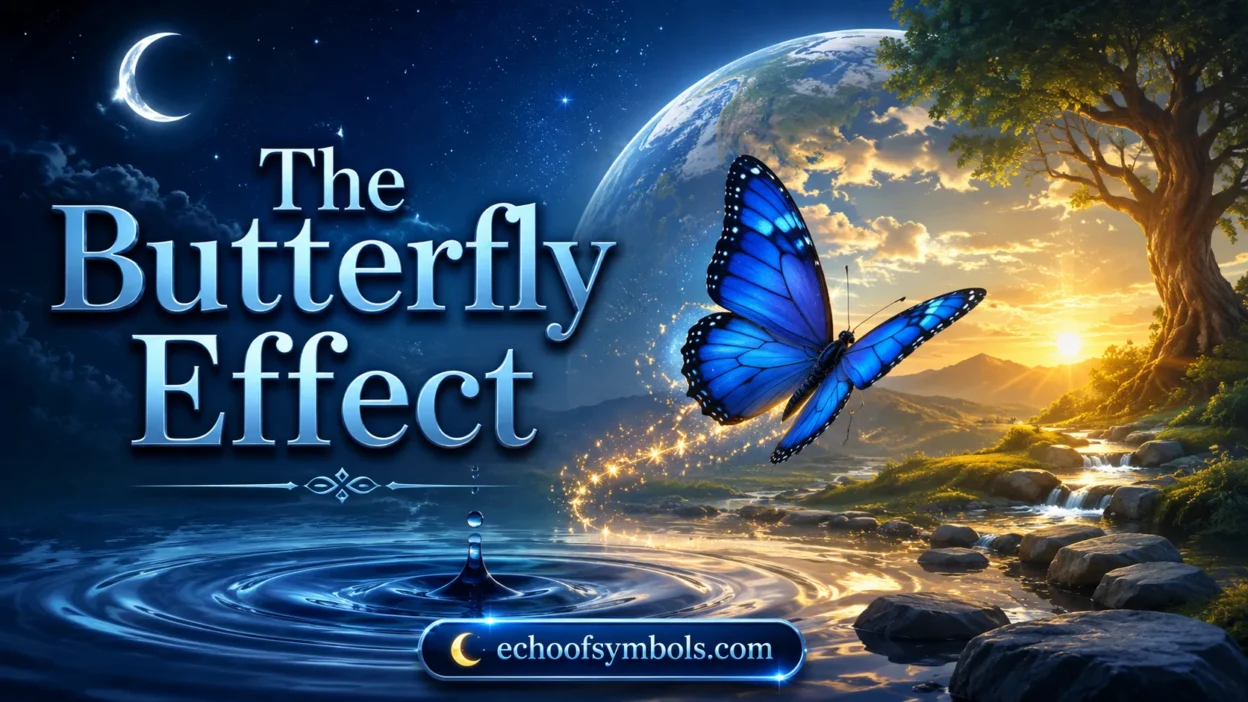
The butterfly effect shapes modern America through subtle life changes. Butterfly symbolism connects chaos theory with interconnectedness of life and choices. Transformation and metamorphosis reflect small choices consequences, growth and hope. Cultural symbolism, myths, dreams and art influence interpretations in modern America.
Spiritual meaning butterflies reveal soul journey, rebirth, freedom and aspirations. Greek tale Psyche, Chinese Butterfly Lovers, Japanese folktales, Egyptian tomb art inspire. Personal growth, resilience and new beginnings define life transformation today. Dreams, fashion, tattoos and pop culture symbol reflect vibrant self.
Also read this: Trident Symbol Meaning, History, and Modern Power
Quick Answer
In the United States, the butterfly primarily symbolizes transformation, hope, and new beginnings. It represents personal growth, the ability to embrace change, and the promise of brighter days ahead. Beyond American culture, it also carries spiritual meanings of resurrection, the soul’s journey, and life’s cycles in various traditions worldwide.
TL;DR
- The butterfly represents personal transformation and embracing change.
- Its journey from caterpillar to winged insect mirrors human growth.
- American culture deeply connects it to hope, resilience, and freedom.
- It appears widely in tattoos, social media, home decor, and branding.
- Many cultures view it as a spiritual symbol of the soul and rebirth.
Overview of the Butterfly Symbol
The butterfly is perhaps nature’s most visible metaphor for change. Its life cycle—from tiny egg to crawling caterpillar, to dormant chrysalis, to winged adult—perfectly mirrors the human experience of growth and renewal. In America, we see this symbol everywhere because it speaks to something universal about our own lives.
But the butterfly means more than just transformation. It also stands for hope, freedom, and the fragile beauty of life itself. The insect’s ability to travel long distances and adapt to different environments makes it a natural emblem of resilience and adventure. For many Americans, the butterfly represents the journey of life, the challenges we overcome, and the beauty we become.
Historical Background and Ancient Roots
Pre-Christian Symbolism
Long before modern America embraced the butterfly, ancient civilizations had already recognized its power. In ancient Greece, the word for butterfly (psyche) also meant “soul.” The Greeks believed that butterflies carried the souls of the dead, making them messengers between the living and the afterlife.
In ancient Egypt, butterflies appeared in tomb paintings as symbols of resurrection and eternal life. The Egyptians observed how the insect emerged from its cocoon, much like a soul leaving the body for the afterlife. This connection between butterflies and rebirth stretched across many early cultures.
The Aztecs and other Mesoamerican civilizations held similar views. They associated butterflies with fire, warriors, and the souls of fallen soldiers. In their mythology, butterflies were linked to the sun and the spirit world.
Evolution Through History
As Christianity spread through Europe, the butterfly took on new meaning. Early Christians saw it as a perfect symbol for the resurrection of Christ and the promise of eternal life. The three stages of the butterfly’s life—caterpillar, chrysalis, and adult—mirrored the Christian concepts of death, burial, and resurrection.
During the Renaissance, European artists and writers began using butterflies to symbolize the fleeting nature of beauty and life. Dutch still-life paintings often included butterflies to remind viewers that earthly pleasures were temporary. This memento mori (remember you will die) tradition shaped how Europeans thought about these insects for centuries.
The Butterfly in American History
When European settlers arrived in North America, they brought their butterfly symbolism with them. But the American landscape itself offered new species and new inspirations. The monarch butterfly, in particular, captured the American imagination with its incredible migration across the continent.
By the 19th century, American naturalists and writers began celebrating butterflies as symbols of American wilderness and freedom. Henry David Thoreau wrote about them in his journals, marveling at their ability to navigate vast distances. The butterfly became part of America’s growing appreciation for its natural wonders.
Symbolism in the United States (Primary Focus)
National Identity and Culture
In America, the butterfly has come to represent the spirit of reinvention that defines our national character. The United States was built on the idea that people could transform their lives, leaving behind old identities to become something new. The butterfly’s metamorphosis perfectly captures this American dream of self-improvement and second chances.
Today, butterflies appear at major life transitions. High school and college graduation announcements often feature butterflies to symbolize the start of a new chapter. Wedding decorations include butterflies to represent love’s ability to transform relationships. Funerals and memorials use them to show that the departed have moved on to a better place.
The Monarch Migration and American Identity
The monarch butterfly holds a special place in American symbolism. Every year, millions of monarchs travel thousands of miles from Canada and the United States to Mexico for the winter. This epic journey has become a powerful metaphor for determination, resilience, and the bonds that connect people across borders.
The monarch’s migration has inspired countless artists, writers, and conservationists. It reminds Americans of the importance of protecting our natural heritage and working together across national boundaries. The monarch butterfly is now the state insect of seven U.S. states, including Illinois, Texas, and Minnesota.
Butterflies in American Media and Pop Culture
American movies, television shows, and music have all used butterflies to convey powerful messages about change and freedom. The butterfly has appeared in countless coming-of-age stories, from animated films to dramas, as a visual shorthand for a character’s growth.
In the 1990s, the butterfly tattoo became extremely popular, especially among young women. This trend reflected a generation’s desire to express their individuality and embrace personal transformation. The butterfly remains one of the most popular tattoo designs in the United States today.
Table: Butterfly Meanings in Different American Contexts
| Context | Meaning in the USA | Common Associations | Notes |
| Graduation | New beginnings and achievement | Academic success, future potential | Often appears on cards and decorations |
| Memorial services | The soul’s journey and continued presence | Comfort, remembrance, hope | Used to bring peace to grieving families |
| Tattoos | Personal transformation and identity | Freedom, growth, individuality | One of the most popular designs nationwide |
| Social media | Positive vibes and personal growth | Self-improvement, mental health awareness | Common in motivational content |
| Home decor | Beauty, nature appreciation, renewal | Spring, life cycles, fresh starts | Particularly popular in garden themes |
| Fashion | Freedom, femininity, or delicate strength | Seasonal trends, self-expression | Appears in patterns, accessories, jewelry |
| Environmental causes | Conservation and ecological awareness | Monarch protection, habitat preservation | Represents endangered species activism |
Cross-Cultural and Spiritual Meanings (Secondary)
Native American Traditions
Many Native American tribes view butterflies as symbols of change, joy, and color. Some tribes believe that butterflies carry dreams and wishes to the spirit world. Others see them as messengers that bring guidance and protection to those who encounter them.
The butterfly is also associated with the summer season and the Sun in some Native American cultures. It appears in stories that explain natural phenomena and teach moral lessons about respect, patience, and the importance of change.
Asian and Eastern Traditions
In Chinese culture, butterflies symbolize love, joy, and marital happiness. A pair of butterflies represents a harmonious marriage, and the insect appears in wedding art and decorations. The Chinese also associate butterflies with the soul, believing that they are the spirits of people who have passed away.
In Japanese tradition, butterflies signify transformation and the fleeting nature of life. They are often depicted in art to represent the beauty of the present moment. The Japanese also see butterflies as omens of good fortune and personal renewal.
Celtic and European Folklore
Celtic mythology links butterflies to the Faerie realm and supernatural events. People believed that butterflies were spirits moving between worlds, carrying messages from the gods or ancestors. Some legends say that harming a butterfly brings bad luck or invites misfortune.
In Slavic folklore, butterflies represent the soul after death. Many believe that seeing a butterfly means a deceased loved one is watching over you. These traditions have influenced European attitudes toward butterflies for centuries.
Emotional and Psychological Associations
The Butterfly as a Symbol of Hope
For many Americans, butterflies are a source of comfort and optimism. They remind us that difficult times are temporary and that positive change is always possible. When we see a butterfly in a garden or park, it brings a moment of peace and happiness, connecting us to the natural world.
The butterfly’s journey from caterpillar to winged creature teaches us patience and trust in the process. It shows that growth often happens when we least expect it, in quiet stages that others cannot see. This makes the butterfly a powerful symbol for people going through tough transitions.
Personal Identity and Self-Discovery
Many people choose butterfly tattoos or images because the symbol reflects their personal growth. The butterfly represents the courage to change, to leave behind old patterns, and to embrace new possibilities. For individuals overcoming challenges or starting new lives, the butterfly is a daily reminder of their strength.
Butterflies also signal a connection to childhood wonder and imagination. They evoke feelings of lightness and playfulness that help adults reconnect with their inner child. This emotional resonance explains why butterflies are popular across all age groups.
Mental Health and Emotional Healing
In recent years, the butterfly has become associated with mental health awareness and emotional healing. Therapists and support groups sometimes use the butterfly as a symbol for recovery from anxiety, depression, or trauma. It represents the idea that even after dark times, beauty and freedom are possible.
The butterfly’s delicate nature also reminds us to be gentle with ourselves and others. It teaches that transformation requires patience and care, not force or harshness. This message resonates strongly in a culture that often pushes for quick fixes and instant results.
Modern Usage of Butterfly Symbolism
Tattoos and Body Art
Butterfly tattoos are among the most popular designs in American tattoo culture. They can be small and delicate or large and colorful. People choose butterfly tattoos to represent personal transformations, like overcoming addiction, starting a new career, or becoming a parent.
The butterfly’s many species allow for endless variations. Some people choose the monarch for its migration symbolism, while others prefer brightly colored tropical species for their beauty. Tattoo artists often add personal touches, like combining butterflies with flowers, names, or meaningful dates.
Social Media and Digital Expression
On social media, the butterfly emoji and butterfly filters are widely used to share positive or uplifting content. People use the symbol to announce life changes, celebrate accomplishments, or simply brighten up their posts. The butterfly has become a quick way to communicate hope and encouragement.
Influencers and motivational accounts often feature butterflies in their branding. The symbol aligns with messages of self-care, personal development, and the journey to becoming your best self. This digital usage has made the butterfly even more ubiquitous in American culture.
Home Decor and Lifestyle
Butterflies are a staple of American home decor, especially in bedrooms, gardens, and children’s spaces. Decorative items like wall art, throw pillows, and wind chimes often feature butterfly designs. The insect’s bright colors and delicate patterns bring a sense of joy and nature into indoor spaces.
Gardeners and nature enthusiasts also celebrate butterflies by creating butterfly-friendly habitats. Planting milkweed and other native flowers invites these beautiful insects into outdoor spaces. This connects the butterfly’s symbolism with environmental responsibility and conservation efforts.
Holidays and Celebrations
Butterflies appear in many American holidays and celebrations. They are especially popular in springtime decorations for Easter and Mother’s Day, where they symbolize rebirth, renewal, and maternal love. Some families also incorporate butterfly themes into children’s birthday parties, emphasizing the joy and wonder of growing up.
During Independence Day, butterflies sometimes appear alongside patriotic symbols like the American flag. They represent the freedom to change, grow, and pursue happiness—core values of the American spirit.
Misunderstandings, Misuse, and Controversies
Environmental Concerns and Conservation
One of the most significant issues surrounding the butterfly today is its declining population. Monarch butterfly numbers have dropped dramatically due to habitat loss, pesticides, and climate change. This has turned the butterfly into a symbol of environmental crisis rather than just beauty and transformation.
Some critics argue that using butterfly imagery without taking action to protect real butterflies is performative or shallow. They call for deeper engagement with conservation efforts rather than just enjoying the symbol’s positive vibes. This tension is an ongoing conversation in American environmental activism.
Cultural Appropriation and Sensitivity
While butterfly imagery is widespread and generally considered universal, its use in some contexts can feel insensitive. Indigenous and other cultural groups may view certain butterfly depictions as sacred or tied to specific traditions. Using these images carelessly can diminish their spiritual significance.
It is important to be mindful when using butterfly motifs from cultures that are not our own. Respecting the original meanings and contexts prevents misunderstanding and shows cultural sensitivity. This is especially relevant in fashion, art, and commercial branding.
Overcommercialization and Shallowness
As with many popular symbols, the butterfly has been overused in commercial products. Some people feel that its deep meanings have been diluted by mass production and shallow marketing. The symbol appears on everything from cheap jewelry to fast food packaging, making it feel meaningless in some contexts.
However, for many individuals, the personal connection to the butterfly remains strong. Even if the symbol appears everywhere, it can still carry deep personal significance. The challenge is to use it thoughtfully rather than treating it as a mere decorative trend.
Shifts Over Time
The meaning of the butterfly has shifted significantly over the centuries. In ancient times, it was primarily a religious and spiritual symbol, representing the soul and the afterlife. As time passed, its association with rebirth and resurrection became central to Christian and other religious traditions.
By the 19th and 20th centuries, the butterfly became more associated with nature, beauty, and personal freedom. It was a favorite subject for naturalists and artists celebrating the American wilderness. This shift reflected broader cultural changes, including a growing appreciation for science and the environment.
In the modern era, the butterfly has taken on new meanings related to identity, self-expression, and mental health. It remains a deeply personal symbol for millions of Americans, representing their unique journeys of growth and change. At the same time, it has become a symbol of environmental activism, urging us to protect the world we share.
Today’s butterfly symbolism is more diverse and individualized than ever before. While the core meanings of transformation and hope remain constant, people now attach their own personal stories to the symbol. This makes the butterfly one of the most versatile and enduring symbols in American culture.
FAQs
What does the butterfly effect mean in modern America?
The butterfly effect reflects how small actions shape larger outcomes in modern America. It connects chaos theory, interconnectedness of life, and small choices consequences as a powerful metaphor. This idea explains transformation in daily decisions and life direction.
What is the spiritual meaning of butterflies in human life?
The spiritual meaning butterflies is deeply tied to soul journey, spiritual awakening, and rebirth. Many see butterflies as symbols of freedom of soul after death and departed souls ancestors. It represents peace, guidance, and emotional renewal in life.
How do butterflies represent transformation and personal growth?
Butterflies symbolize transformation, metamorphosis, personal growth, and new beginnings in life. The journey from caterpillar to beauty reflects shedding past limitations and embracing change. It inspires resilience and continuous life improvement.
What myths and cultural traditions are linked to butterfly symbolism?
Butterfly symbolism appears in Chinese Butterfly Lovers, Greek tale Psyche, and Japanese folktales. It also exists in Egyptian tomb art, shaping cultural symbolism and religious symbolism. These stories highlight love, soul connection, and transformation.
Why are butterflies popular in dreams, art, and modern culture?
Butterflies in dream interpretation, art, and pop culture symbol represent hope and change. They appear in fashion, tattoos, birthday cards, and graduation caps as signs of growth. Their beauty reflects vibrant self and emotional freedom.
Conclusion
The butterfly effect in modern America reflects how small choices consequences shape deep life outcomes through interconnectedness of life and change. It connects butterfly symbolism, transformation, and metamorphosis as powerful reminders of growth and renewal. The spiritual meaning butterflies highlights soul journey, rebirth, and spiritual awakening across human experience. Through myths, dreams, and cultural symbolism, it continues to inspire personal growth and new beginnings in everyday life.