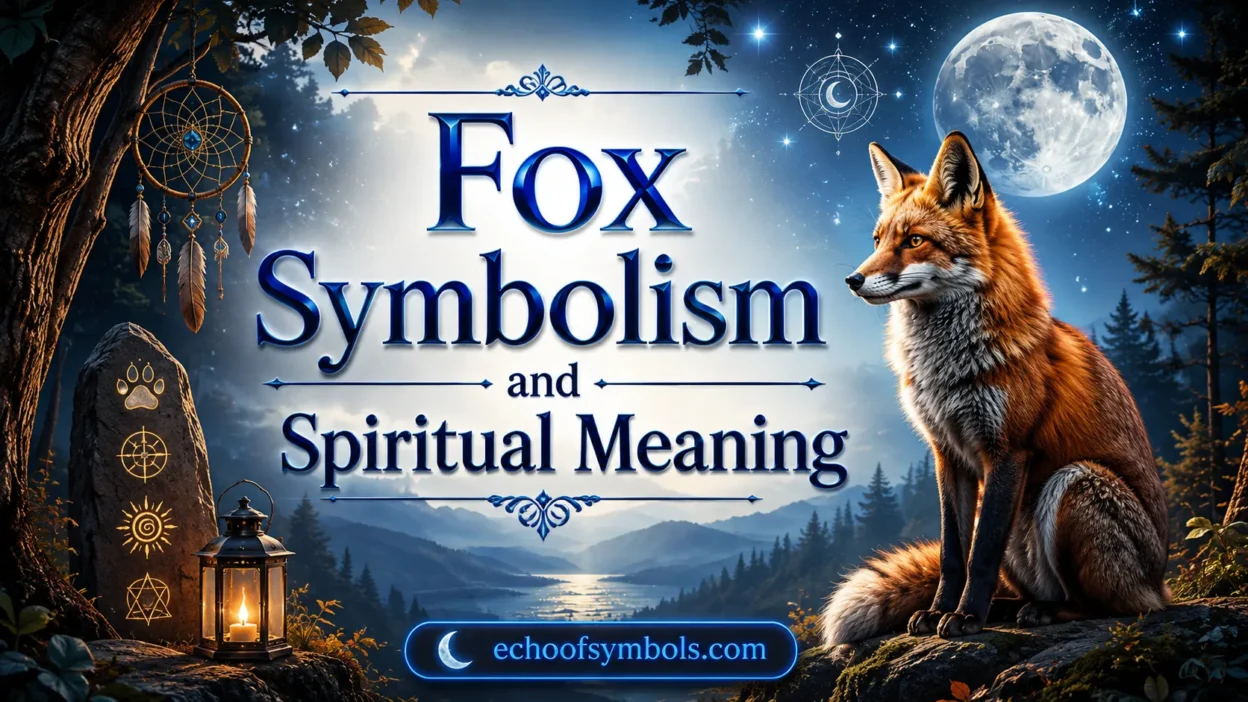
The fox symbolism reveals spiritual meaning through intelligence, adaptability, and hidden wisdom. Fox spirit animal traditions explore animal symbolism and the fox totem across cultures worldwide.
From European tales to Japanese folklore, the fox represents clever trickster qualities and survival. Its fox meaning in dreams often connects with intuition, mystery, and personal growth.
Many fox myths describe a guide balancing good and bad with wisdom. In United States culture, fox stories highlight quick thinking, wit, and strategic intelligence.
A fox encounter meaning may inspire trust instincts during life changes and challenges. These spiritual traditions show fox energy helping people navigate change with awareness.
Also Read This: Wolf Symbolism and Spiritual Meaning
Quick Answer
In fox symbolism, the fox mainly stands for intelligence, adaptability, and cleverness. In the USA, it often represents independence, quick thinking, and resourcefulness. Around the world, it can also point to transformation, mystery, and spiritual guidance.
TL;DR
• The fox symbolizes intelligence, cleverness, and adaptability.
• Ancient cultures often saw the fox as a trickster figure.
• In the USA, the fox reflects independence and quick thinking.
• Native American traditions view the fox as a clever teacher.
• Modern fans use fox imagery in tattoos, decor, and logos.
• Meaning shifted from “sly deceiver” to “smart survivor.”
What the Fox Symbol Really Represents
Before looking at history, it helps to understand what the fox looks like as a symbol. This overview matters because the fox’s appearance shapes how people read its meaning.
Artists and writers usually show foxes in a few classic ways. Each detail carries its own message, and Americans quickly recognize these visual cues in art, branding, and design.
• A reddish orange coat suggests warmth, fire, and quick energy.
• Sharp, alert eyes point to intelligence and careful observation.
• A bushy tail often stands for grace, balance, and cunning.
• A crouched, watchful pose suggests patience before action.
• Nighttime or twilight settings tie the fox to mystery and instinct.
Historical Background and Ancient Roots
Fox symbolism did not begin with modern stories or logos. It stretches back thousands of years, long before Christianity spread across Europe. Understanding these roots helps explain why the fox still feels so meaningful today.
Ancient and Pre-Christian Views
In many early societies, foxes lived close to human settlements and often outsmarted hunters and farmers. Because of this pattern, people built stories around the fox to explain its clever survival skills.
Some ancient cultures honored the fox as a fire bringer or spiritual messenger. Others saw it as a warning about deception. Both views shaped the layered symbolism the fox carries today.
Mythology and Legend
• Some legends describe the fox stealing fire from the gods for humans.
• European fables often cast the fox as a clever trickster figure.
• Celtic tradition treats the fox as a guide between worlds.
• Warrior societies in North America wore fox skins as sacred symbols.
Fox Symbolism in the USA
The fox holds a distinct place in American culture. Its meaning here is closely tied to ideas of resourcefulness and self-reliance.
Early American settlers respected the fox for surviving in harsh frontier conditions. Because it thrived without much help, the fox became linked to grit and clever problem-solving.
However, its meaning has grown warmer over time. Children’s books, film, and television now often show the fox as witty rather than sneaky. Today, many Americans view the fox as a symbol of sharp thinking and quiet confidence.
• The fox now represents smart, resourceful problem-solving.
• It stands for independence and comfort with change.
• Many see it as a sign of adaptability in modern life.
• It also reflects admiration for wildlife that thrives near people.
Fox Symbolism at a Glance: A Quick Reference Table
This table breaks down a few common fox images and what they tend to mean in the USA today.
| Context | Meaning in the USA | Common Associations | Notes |
| Red fox | Cleverness and quick thinking | Wit, energy, sharp instincts | Most common fox in American folklore |
| Silver or black fox | Nobility and elegance | Confidence, mystery, style | Popular in fashion and jewelry |
| Gray fox | Wisdom and quiet success | Balance, fortune, calm strength | Linked to older folk traditions |
| Fox in a dream | Hidden opportunity or insight | Intuition, awareness, strategy | Often tied to problem-solving |
| Fox as spirit animal | Guide for adaptability | Curiosity, flexibility, focus | Common in modern spiritual talk |
Foxes in Native American Culture and Spirituality
Fox symbolism runs deep in many Native American traditions. Different tribes hold different stories, but several themes appear again and again.
For many tribes, the fox is a clever teacher, guardian, or clan symbol. Northern California tribes viewed the silver fox as a creator figure who taught knowledge and kindness.
• The fox often appears as a trickster who still teaches valuable lessons.
• Many tribes treat the fox as a clan animal tied to identity.
• Fox skins and bones were used in ceremonial dress and dances.
• Some warrior societies used the fox to represent courage and cunning.
It’s worth noting that beliefs vary widely between tribes and nations. No single story speaks for all Native American views of the fox, so it’s best to treat these teachings with respect rather than as one unified belief system.
Fox Symbolism in Asian and European Traditions
Outside North America, other cultures add rich layers to fox symbolism. This context matters because it explains why the fox feels both playful and mysterious in American pop culture.
In Japanese folklore, foxes known as kitsune are seen as magical messengers with shapeshifting powers. In European fables, the fox is usually the clever character who outsmarts bigger, slower animals.
• Japanese kitsune are viewed as spiritual messengers for the god Inari.
• Chinese traditions often link the fox to transformation and long life.
• European fables use the fox as a symbol of sharp, quick wit.
• Korean folklore includes fox spirits tied to change and disguise.
Cross-Cultural and Global Spiritual Meanings
Beyond Asia and Europe, many cultures around the world see the fox in a spiritual light. These views are worth a brief look, since they often shape how Americans interpret fox imagery today.
• Celtic tradition treats the fox as a guide through the unknown.
• Shamanic traditions often use the fox as a symbol of quiet awareness.
• Some cultures view the fox as a bridge between the physical and spirit worlds.
• Many traditions agree the fox represents intelligence and mystery.
Across these traditions, the fox’s dual nature stands out. It is both playful and wise, mysterious and grounded. This balance is part of why fox symbolism feels so rich and layered.
Emotional and Psychological Meaning of the Fox
Beyond history and culture, the fox touches something personal for many people. Its symbolism often mirrors emotions and values that feel very human.
Because foxes solve problems by thinking differently, people relate to that same instinct in their own lives. This is one reason fox imagery feels so personal to many Americans.
• Confidence in finding creative solutions to hard problems.
• Trust in patience and observation before taking action.
• A sense of quiet independence and self-reliance.
• Curiosity about new situations instead of fear of them.
• A reminder to stay flexible when life gets unpredictable.
Fox Spirit Animal and Totem Meaning
Many people today use the phrase spirit animal or totem to describe a personal connection with the fox. This modern spiritual use borrows loosely from older traditions, so it’s worth explaining on its own.
When someone says the fox is their spirit animal, they usually mean it reflects their wit, adaptability, or awareness. For example, someone who thrives during change might feel connected to fox energy.
• A fox spirit animal often signals trust in your own strategy.
• It can point to a season of quick thinking or reinvention.
• Some see it as encouragement to observe before acting.
• Others read it as a nudge to stay playful during stress.
Fox Symbolism in Dreams
Dreaming about a fox is common, and people often want to know what it means. While dream meanings are personal, a few themes come up again and again.
• A calm fox in a dream may reflect clear thinking and insight.
• A sneaky or hiding fox might point to hidden opportunities.
• A fox crossing your path can suggest an upcoming change.
• A playful fox dream often relates to creativity or humor.
These interpretations are not fixed rules. Instead, they offer a starting point for personal reflection, and many people find it helpful to journal about the feelings a fox dream brings up.
Modern Usage: Tattoos, Fashion, and Social Media
Today, fox symbolism shows up everywhere in daily life. This section looks at how Americans use fox imagery in style, art, and online spaces.
Tattoos and Fashion
Fox tattoos remain a popular choice in the USA. People often choose them to represent intelligence, independence, or a clever personal journey.
• Realistic fox tattoos often symbolize sharp instincts and awareness.
• Geometric fox designs are popular for a modern, stylish look.
• Fox and moon combinations suggest mystery and intuition.
• Fox-themed jewelry and clothing lean on themes of confidence.
Social Media and Pop Culture
Online, fox imagery pairs naturally with themes of wit and personality. Movies, books, and shows featuring foxes keep this symbolism alive for new generations.
• Fox-themed usernames and avatars suggest cleverness and charm.
• Motivational posts often use fox imagery to represent strategy.
• Children’s media frequently casts foxes as witty, likable characters.
• Fashion brands use fox imagery to suggest boldness and style.
Fox Symbolism, Holidays, and American Identity
Foxes are not tied to one specific American holiday, but their symbolism connects to broader cultural themes. This link helps explain why the fox still resonates so strongly.
The fox’s story in America reflects admiration for wildlife that adapts and survives. As foxes have become more common near cities and suburbs, fascination with the animal has grown.
• Fox sightings near neighborhoods often spark public curiosity.
• Wildlife programs highlight the fox as a symbol of adaptability.
• Autumn imagery frequently features foxes alongside falling leaves.
• The fox has become a quiet symbol of clever survival.
Misunderstandings, Misuse, and Controversies
Like many popular symbols, the fox can be misunderstood. It helps to separate traditional, respectful meanings from confusing or negative ones.
Most fox symbolism today centers on intelligence and adaptability. However, older folklore sometimes cast the fox as dishonest, and that meaning still lingers in some phrases and stories.
It’s worth noting the difference between playful cleverness and manipulation. Calling someone “foxy” or “sly” can be a compliment or a criticism, depending on tone and context.
• Older folklore sometimes links the fox to deceit or trickery.
• Modern American culture leans toward “clever” over “deceptive.”
• Context and tone shape whether fox language feels positive.
• Respectful use focuses on wit and adaptability, not manipulation.
How Fox Symbolism Has Shifted Over Time
Fox symbolism has changed a great deal across history. Looking at this shift helps explain why older and newer meanings can feel so different.
In ancient and medieval stories, the fox was often a sly antagonist in fables. Over time, American culture reshaped that image into one of admiration for sharp thinking.
• Early folklore often viewed the fox with suspicion.
• Colonial America respected the fox as a resourceful frontier animal.
• Modern media reframed the fox as clever rather than dishonest.
• Today’s spiritual use blends old trickster tales with new self-growth language.
FAQs
What is the fox symbolism and spiritual meaning?
Fox symbolism represents intelligence, adaptability, and hidden wisdom across many cultures. Its spiritual meaning often connects with intuition, survival, and finding balance during life changes.
What does a fox spirit animal represent in spiritual traditions?
A fox spirit animal represents quick thinking, awareness, and clever problem-solving. The fox totem is often viewed as a guide for trusting instincts and using wisdom through challenges.
What does seeing a fox mean spiritually?
A fox sighting may carry messages about transformation, intuition, and personal growth. Many people view a fox encounter meaning as a reminder to embrace adaptability and strategic thinking.
What is the meaning of a fox in dreams?
The fox meaning in dreams is often linked with mystery, instincts, and hidden opportunities. A fox in dreams can symbolize awareness, clever choices, and understanding deeper emotions.
Why is the fox known as a clever trickster in folklore?
The clever trickster image comes from fox folklore, fox myths, and stories from different cultures. These tales show the fox as a symbol of wit, strategy, and the balance between good and bad.
Conclusion
Understanding fox symbolism and spiritual meaning reveals a powerful connection with intelligence, adaptability, and hidden wisdom. The fox spirit animal encourages trust in intuition, awareness, and smart choices through challenges. Across fox folklore and fox myths, this clever creature represents transformation, survival, and mystery. A fox encounter meaning can inspire you to embrace change, trust instincts, and follow your inner guidance.