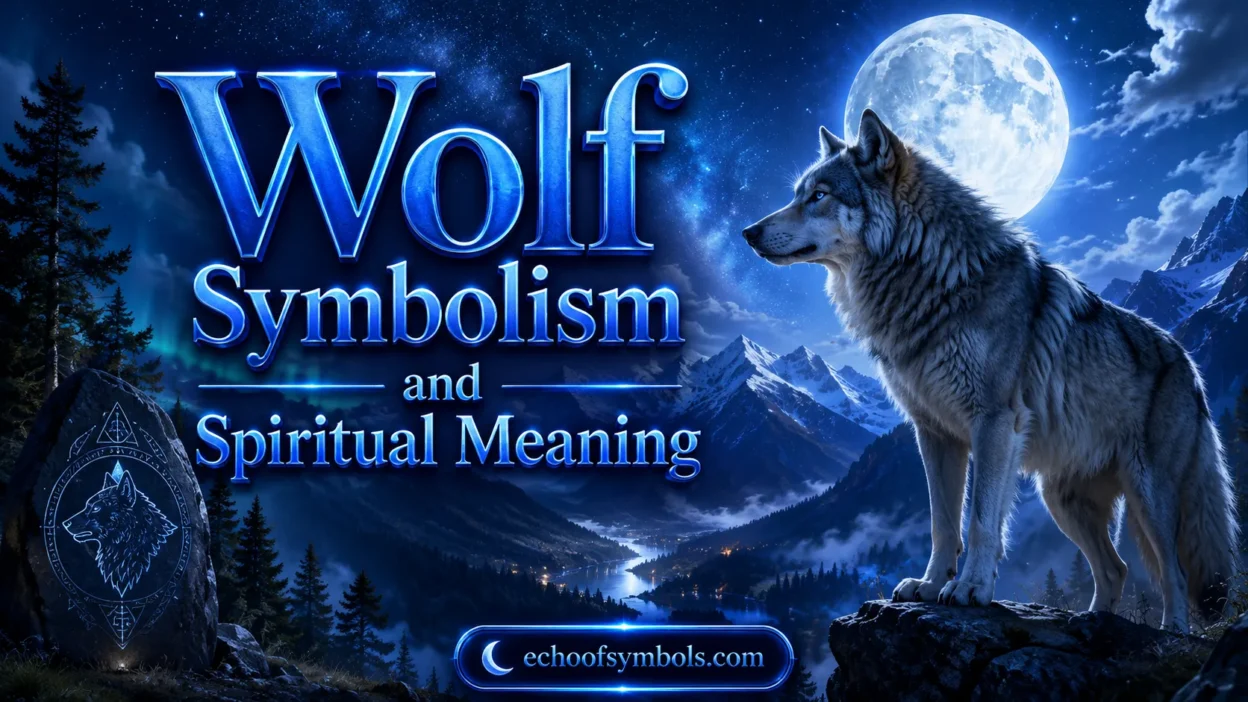
Across cultures, wolf symbolism reveals deep connections between nature, spiritual meaning, and human emotions through stories and traditions.
These powerful animal symbols represent strength, freedom, loyalty, and deep instinct while reflecting survival and awareness. Many people explore wolves through ancient spirit animal beliefs, dreams, and personal experiences seeking guidance.
From Native traditions to Norse mythology, wolves carry meanings of wisdom, protection, and transformation. The wolf pack also highlights unity, family bonds, and the importance of social connections.
Today, wolf dreams and real life encounters inspire reflection on inner wisdom, intuition, and personal growth. These meanings connect with modern dream meanings, totems, and spirit guide in everyday life. Wolves remain symbols of courage, guardian, and power animal energy across many societies.
Also Read This: Dove Symbolism and Spiritual Meaning Explained
Quick Answer
In wolf symbolism and spiritual meaning, the wolf mainly stands for loyalty, intuition, and independence. In the USA, it often represents wilderness, family bonds, and personal freedom. Around the world, it can also point to protection, transformation, and inner wisdom.
TL;DR
• The wolf symbolizes loyalty, intuition, and personal freedom.
• Ancient cultures linked wolves to gods, guardians, and warriors.
• In the USA, wolves reflect wilderness and conservation values.
• Native American traditions see the wolf as a spiritual teacher.
• Modern fans use wolf imagery in tattoos, fashion, and logos.
• Meanings shifted from fear of wolves to respect for wolves.
What the Wolf Symbol Really Represents
Before looking at history, it helps to understand what the wolf looks like as a symbol. This overview matters because the wolf’s appearance shapes how people read its meaning.
Artists and writers usually show wolves in a few classic poses. Each pose carries its own message, and Americans quickly recognize these visual cues in logos, art, and jewelry.
• A single wolf standing alone signals independence and self-trust.
• A howling wolf under the moon suggests voice, longing, or freedom.
• A wolf pack moving together points to loyalty and teamwork.
• Sharp eyes and an alert stance suggest awareness and instinct.
• Gray or white fur often ties the wolf to wild, untouched nature.
Historical Background and Ancient Roots
Wolf symbolism did not start with modern tattoos or logos. It goes back thousands of years, long before Christianity spread across Europe. Understanding these roots helps explain why the wolf still feels so meaningful today.
Ancient and Pre-Christian Views
In many early societies, wolves lived close to humans and often competed for the same prey. Because of this closeness, people built myths around wolves to explain their power and mystery.
Some ancient cultures honored the wolf as a guide or protector. Others feared it as a symbol of chaos and danger. Both views shaped the layered symbolism the wolf carries today.
Mythology and Legend
• Roman legend credits a she-wolf with raising Rome’s founders.
• Norse mythology features wolves tied to both loyalty and destruction.
• Turkic and Mongolian legends treat the wolf as an ancestor figure.
• Medieval European folklore often cast wolves as threats to villages.
Wolf Symbolism in the USA
The wolf holds a special place in American culture. Its meaning here is closely tied to the nation’s relationship with wild land and open spaces.
Early American settlers viewed wolves as a threat to farms and herds. Because of this fear, wolves were hunted heavily, and their numbers dropped fast across much of the country.
However, attitudes changed later in the 20th century. Conservation efforts helped restore wolf populations in parts of the western United States. Today, many Americans view the wolf as a symbol of a healthy, balanced ecosystem.
• The wolf now represents the spirit of the American wilderness.
• It stands for ecological balance and respect for wildlife.
• Many see it as a sign of resilience in harsh landscapes.
• It also reflects a shift toward protecting native animals.
Wolf Symbolism at a Glance: A Quick Reference Table
This table breaks down a few common wolf images and what they tend to mean in the USA today.
| Context | Meaning in the USA | Common Associations | Notes |
| Lone wolf | Independence and self-reliance | Confidence, solitude, focus | Popular in tattoos and branding |
| Wolf pack | Loyalty and family teamwork | Belonging, protection, unity | Common in sports team names |
| Howling wolf | Voice, expression, and freedom | Communication, the wild outdoors | Frequent in art and decor |
| Gray wolf | American wilderness and conservation | Nature, balance, resilience | Tied to reintroduction programs |
| White wolf | Purity and spiritual guidance | Clarity, intuition, calm strength | Common in spiritual and dream talk |
Wolves in Native American Culture and Spirituality
Wolf symbolism runs especially deep in many Native American traditions. Different tribes hold different stories, but several themes appear again and again.
For many tribes, the wolf is a teacher, guardian, or even an ancestor figure. In the Lakota language, the word for wolf translates close to divine dog, showing how highly the animal was regarded.
• The wolf often appears as a guide between the physical and spirit worlds.
• Many tribes link the wolf to loyalty, courage, and family bonds.
• The wolf is sometimes seen as a teacher of patience and instinct.
• Ceremonial art, carvings, and dances often honor the wolf’s protective role.
It’s worth noting that beliefs vary widely between tribes and nations. No single story speaks for all Native American views of the wolf, so it’s best to treat these teachings with respect rather than as one unified belief system.
Wolf Symbolism in European and Norse Mythology
Outside North America, European folklore paints a more mixed picture of the wolf. This context matters because it explains why some Americans still associate wolves with danger, not just wonder.
In German and Norse mythology, wolves were often tied to destruction and death. However, they also appeared as loyal companions to certain gods, showing the same duality found in Native American stories.
• Fenrir, a giant wolf in Norse myth, symbolizes chaos and fate.
• Some Norse figures kept wolves as companions, linking them to strength.
• Medieval fairy tales, like Little Red Riding Hood, cast wolves as tricksters.
• These stories helped shape early fears settlers brought to America.
Cross-Cultural and Global Spiritual Meanings
Beyond Europe and North America, many cultures around the world see the wolf in a spiritual light. These views are worth a brief look, since they often shape how Americans interpret wolf imagery today.
• Celtic tradition links wolves to transformation and guarding sacred places.
• Japanese folklore honors wolves as protectors of travelers and villages.
• Mongolian and Turkic cultures treat the wolf as an ancestral spirit.
• Shamanic traditions often use the wolf as a spirit guide for insight.
Across these traditions, the wolf’s dual nature stands out. It is both fierce and nurturing, wild and loyal. This balance is part of why wolf symbolism feels so rich and layered.
Emotional and Psychological Meaning of the Wolf
Beyond history and culture, the wolf touches something personal for many people. Its symbolism often mirrors emotions and values that feel very human.
Because wolves balance solitude with strong social bonds, people relate to that same tension in their own lives. This is one reason wolf imagery feels so personal to many Americans.
• Confidence in facing challenges without giving up.
• Trust in instinct and gut feelings over pure logic.
• A deep respect for close friendships and family loyalty.
• A sense of mystery, adventure, and quiet independence.
• A reminder to balance toughness with care for others.
Wolf Spirit Animal and Totem Meaning
Many people today use the phrase spirit animal or totem to describe a personal connection with the wolf. This modern spiritual use borrows loosely from older traditions, so it’s worth explaining on its own.
When someone says the wolf is their spirit animal, they usually mean it reflects their instincts, loyalty, or need for freedom. For example, someone drawn to solitude might feel connected to the lone wolf image.
• A wolf spirit animal often signals trust in personal instinct.
• It can point to a season of change or self-discovery.
• Some see it as encouragement to lean on trusted friends.
• Others read it as a nudge to set clear boundaries.
Wolf Symbolism in Dreams
Dreaming about a wolf is common, and people often want to know what it means. While dream meanings are personal, a few themes come up again and again.
• A calm wolf in a dream may reflect confidence and clarity.
• An aggressive wolf might point to stress or unresolved conflict.
• A wolf pack in a dream can suggest a need for community.
• A lone wolf dream often relates to independence or isolation.
These interpretations are not fixed rules. Instead, they offer a starting point for personal reflection, and many people find it helpful to journal about the feelings a wolf dream brings up.
Modern Usage: Tattoos, Fashion, and Social Media
Today, wolf symbolism shows up everywhere in daily life. This section looks at how Americans use wolf imagery in style, art, and online spaces.
Tattoos and Fashion
Wolf tattoos remain one of the most popular animal designs in the USA. People often choose them to represent strength, loyalty, or a personal turning point in life.
• Howling wolf tattoos often mark a personal voice or awakening.
• Pack-themed tattoos can honor family or close friend groups.
• Minimalist wolf outlines are popular for a subtle, modern look.
• Wolf jewelry and clothing brands lean on themes of freedom.
Social Media and Pop Culture
Online, wolf imagery pairs naturally with themes of confidence and grit. Movies, books, and shows featuring wolves keep this symbolism alive for new generations.
• Wolf-themed usernames and avatars suggest strength and independence.
• Motivational posts often use howling wolves to represent ambition.
• Sports teams use wolf mascots to project power and teamwork.
• Fantasy shows and books keep wolf symbolism popular with younger fans.
Wolf Symbolism, Holidays, and American Identity
Wolves are not tied to one specific American holiday, but their symbolism connects to broader national themes. This link helps explain why the wolf still resonates so strongly.
The wolf’s story in America mirrors the country’s own relationship with wild land. From near elimination to protected status, the wolf’s journey reflects a larger shift in values.
• Wolves often appear in stories about the American frontier.
• Conservation campaigns use the wolf as a face for wildlife protection.
• National parks and western states celebrate the wolf’s return.
• The wolf has become a quiet symbol of environmental awareness.
Misunderstandings, Misuse, and Controversies
Like many powerful symbols, the wolf can be misunderstood or misused. It helps to separate traditional, respectful meanings from harmful ones.
Most wolf symbolism centers on loyalty, family, and connection to nature. However, some extremist groups have tried to twist wolf and pack imagery to promote aggression or exclusion.
This kind of misuse does not reflect the traditional or spiritual meaning of the wolf. It’s important to recognize context. A wolf tattoo, a nature photo, or a spiritual teaching is not the same as imagery used to promote hate.
• Traditional wolf symbolism focuses on loyalty, not domination over others.
• Wildlife debates sometimes turn the wolf into a political symbol.
• Ranchers and conservationists often hold different views on wolves.
• Respectful use separates spiritual meaning from harmful stereotypes.
How Wolf Symbolism Has Shifted Over Time
Wolf symbolism has changed a great deal across history. Looking at this shift helps explain why older and newer meanings can feel so different.
In early America, the wolf was mostly seen as an enemy of farms and safety. Over time, science and conservation work reshaped that view into one of respect and ecological importance.
• Fear-based views of wolves are now less common than in past centuries.
• Spiritual and personal meanings have grown more popular in modern life.
• Conservation success stories have softened old negative views.
• Wolf symbolism today blends ancient teachings with modern self-help language.
FAQs
What Does Wolf Symbolism Mean Spiritually?
Wolf symbolism often represents spiritual meaning, strength, freedom, and loyalty. It connects with deep instinct, wisdom, and the ability to trust inner guidance during life changes.
What Does a Wolf Represent as a Spirit Animal?
A spirit animal wolf represents intuition, protection, and personal growth. Many traditions view the wolf as a guide that encourages courage, awareness, and discovering hidden power.
What Is the Meaning of a Wolf Pack in Symbolism?
A wolf pack symbolizes unity, family bonds, friendship, and strong social connections. It shows how cooperation, trust, and harmony help individuals survive and thrive.
What Does a Wolf Mean in Dreams and Real Life Encounters?
Wolf dreams and real life encounters are often linked with modern dream meanings, personal transformation, and messages about trusting your instinct. They may represent inner wisdom and personal power.
Why Are Wolves Important in Cultural and Spiritual Traditions?
Wolves hold deep cultural significance in Native traditions, Norse mythology, and other beliefs. They are seen as guardian, teacher, and spirit guide symbols connected with courage, protection, and wisdom.
Conclusion
Understanding wolf symbolism reveals how this powerful animal symbol connects spiritual meaning, strength, loyalty, and deep instinct across cultures. The wolf remains a symbol of freedom, wisdom, and protection, reminding people to trust their intuition and embrace personal growth. Through spirit animal beliefs, wolf dreams, and cultural significance, wolves continue to inspire courage, unity, and a deeper connection with nature.