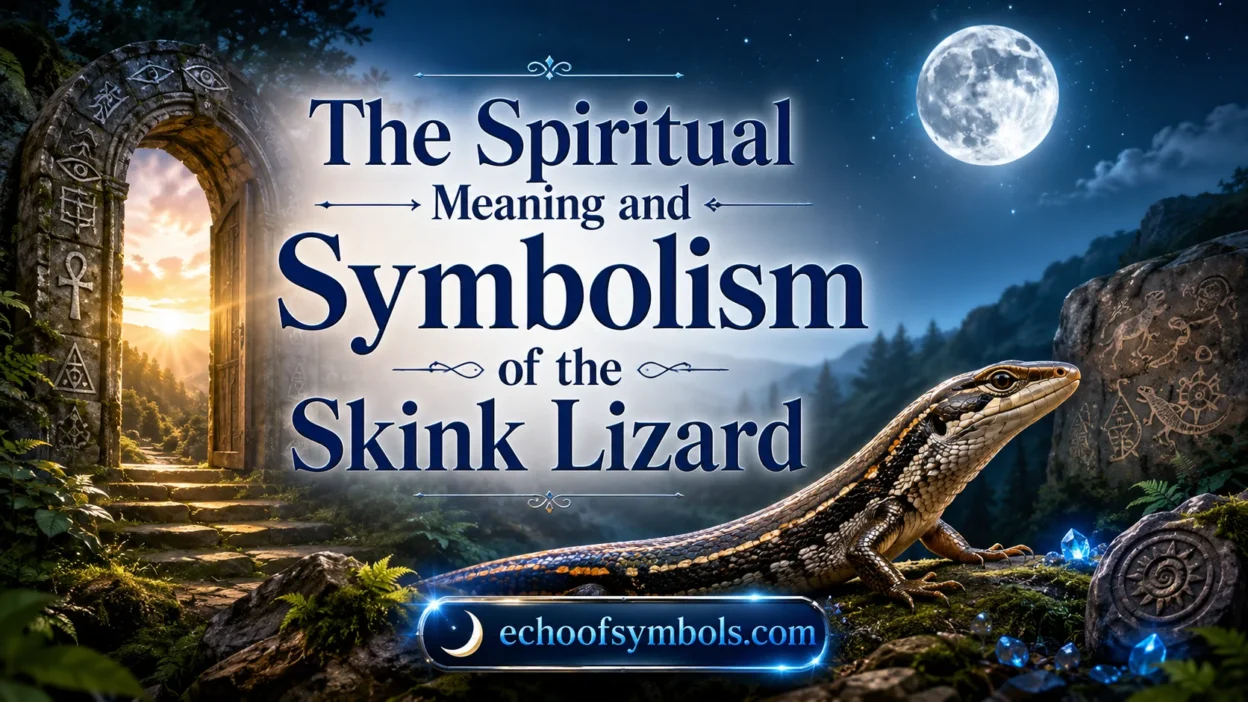
The skink lizard is a fascinating creature whose skink lizard spiritual meaning inspires lasting curiosity and reflection. Its skink symbolism, lizard symbolism, and spiritual symbolism highlight transformation, adaptability, resilience, and renewal.
Many people view this reptile as a spiritual messenger offering spiritual guidance through life transitions and change. Learning its symbolic meaning encourages personal growth, healing, self-discovery, and a deeper spiritual connection with nature.
The skink also represents lizard spiritual meaning, spirit animal, animal totem, and lizard totem through intuition, instincts, and higher consciousness. Its remarkable tail regrowth, tail shedding, regeneration of tail, and escape from danger symbolize rebirth, overcoming obstacles, and moving forward.
Across Native American folklore, African folklore, cultural symbolism, dream meaning, and dream interpretation, this quick-moving lizard teaches trust your instincts, inner strength, balance, mindfulness, and spiritual awakening.
Also read this: Eye Twitching Spiritual Meaning and Symbolism Explained
Quick Answer
What does the skink lizard symbolize? In the USA, the skink lizard symbolizes renewal, rebirth, and the ability to let go of what no longer serves you. Its most famous trait, tail regeneration, makes it a powerful emblem of healing and fresh starts. Beyond the United States, it also represents adaptability, resourcefulness, and the importance of staying grounded.
TL;DR
• The skink lizard represents renewal, transformation, and personal growth.
• Its tail regeneration symbolizes healing and releasing the past.
• In the USA, it is linked to resilience and adapting to change.
• Historically, lizards have appeared in global myths about protection and wisdom.
• Modern Americans use skink symbolism in tattoos and as personal spirit animals.
• The skink teaches us to stay connected to the earth while embracing new directions.
What Is a Skink Lizard? A Brief Overview
Before exploring its spiritual side, it helps to understand what a skink actually is. Skinks are a large family of lizards known for their smooth, shiny scales and relatively short legs. Unlike many other lizards that rely on speed or climbing, skinks often move with a snake-like wriggle, especially when their legs seem too small for their bodies.
In the United States, the most common skink is the blue-tailed skink, often called the five-lined skink. This native species is found from the East Coast all the way to the Midwest. Its name comes from the bright blue stripe on its tail, a feature that makes it instantly recognizable to many Americans. Other species, like the broad-headed skink, can be found in the southeastern states.
These lizards prefer warm, damp environments like forests, gardens, and rocky areas. They are diurnal, meaning they are active during the day. Their diet consists mainly of insects, making them helpful garden friends. However, their small size and quick movements make them challenging to observe closely.
The skink’s appearance sleek, colorful, and often with a vivid tail captures attention. Some types, like the fire skink from Africa, display brilliant reds and oranges. In the USA, though, the blue-tailed skink is the most familiar. Its striking contrast of dark body and bright tail has naturally led people to assign meaning to this eye-catching reptile.
The Physical Traits That Inspire Symbolism
The skink’s physical traits are key to its spiritual symbolism. Its most famous feature, the brightly colored tail, stands out. In many animal symbolism traditions, bright colors signal warning or attraction. For the skink, the blue tail serves as a decoy.
When a predator grabs the skink’s tail, the tail breaks off. This is called autotomy. The tail continues to wiggle, distracting the predator while the skink escapes. Over time, the skink grows a new tail. This amazing ability is central to its spiritual meaning as a symbol of rebirth and resilience.
The skink’s smooth, shiny scales also suggest a sleekness and efficiency. Its small size reminds us that even the smallest creatures have important lessons. Finally, its habit of basking in the sun connects it to warmth, energy, and life itself. These physical qualities form the foundation for the skink’s deeper meanings.
Historical Roots and Ancient Symbolism of Lizards
The spiritual meaning of the skink lizard does not exist in a vacuum. It draws from a long history of lizard symbolism in human cultures. To understand the skink’s meaning in America today, we must first look back at how ancient civilizations viewed these reptiles.
Lizards in Ancient Mythology
In many ancient cultures, lizards were seen as creatures of wisdom and protection. In Egypt, the lizard was associated with the divine. It appeared in hieroglyphs and was considered a symbol of good fortune. Some artifacts show lizards decorating amulets meant to ward off evil spirits. The lizard’s ability to appear and disappear quickly made it seem mysterious and connected to the spirit world.
In Greek and Roman mythology, lizards were linked to the god Hermes (Mercury in Roman myth). Hermes was the messenger god, known for his speed and cunning. The lizard’s quick movements and ability to escape danger fit perfectly with Hermes’s energy. It was also seen as a creature of the sun, representing divine light and vigilance.
Aboriginal Australian cultures have rich lizard lore. Many dreaming stories feature lizards as creators, tricksters, or ancestral beings. The lizard’s connection to the earth made it a symbol of grounding and survival in harsh landscapes. These traditions honor the lizard’s cleverness and its role in shaping the land.
Pre-Christian Roots and Pagan Beliefs
Across Europe, pre-Christian pagan beliefs often viewed lizards positively. They were associated with the earth element and the underworld. Their ability to change color or shed their skin linked them to transformation and rebirth. In some Celtic traditions, the lizard was a guide to the faerie realm, a creature that could slip between worlds.
The lizard’s connection to the sun was also prominent. Many pagan solar festivals included images or sacrifices of lizards. They represented the sun’s life-giving power and the cycle of seasons. In winter, when lizards disappeared, it was a time of death. In spring, their return signified renewal.
However, the Christian era brought mixed views. Some early Christian texts portrayed lizards as unclean or demonic. This was partly due to their association with pagan rituals. However, even then, the lizard’s positive traits of rebirth and vigilance were sometimes noted. Saint Ambrose, a 4th-century bishop, mentioned the lizard as a symbol of wisdom and healing.
The Lizard in Native American Traditions
In North America, indigenous tribes have their own lizard stories. The skink, being native to the continent, appears in various traditions. In many Southwestern tribes, the lizard is a symbol of survival and adaptation. Its ability to thrive in the desert heat teaches lessons about perseverance.
The Hopi and Zuni peoples consider the lizard a messenger of the rain. Its bright colors and movement signal changes in weather. Lizard imagery appears in their pottery and petroglyphs. Some tribes view the lizard as a protector of the home, bringing good luck and warding off negative energy.
For the Navajo, the lizard is associated with the direction of the sun and protection. Some Navajo stories tell of the lizard helping the People find water or avoid danger. The lizard’s intelligence and resourcefulness are celebrated in these tales. These Native American perspectives deeply influence how modern Americans, especially those with indigenous heritage, understand the skink lizard spiritual meaning.
Symbolism and Meaning of the Skink Lizard in the USA Today
In the United States today, the skink lizard carries a vibrant set of meanings. It has moved from ancient myth to modern spiritual symbolism, resonating with people from all walks of life. The American understanding of the skink blends indigenous wisdom, popular culture, and individual experiences.
A Symbol of Resilience and Adaptability
The primary meaning of the skink lizard in the USA is resilience. Americans face a rapidly changing world, from economic shifts to climate challenges. The skink’s ability to survive in various environments forests, deserts, even suburban gardens represents the ability to adapt.
Its tail regeneration is a powerful metaphor for recovering from personal setbacks. Just as the skink grows a new tail, people can heal and move forward after loss or trauma. This message is especially powerful in a culture that values personal growth and self-improvement. The skink shows that growth can happen after a period of stillness or retreat.
The skink’s resourcefulness is another key aspect. It uses its environment cleverly, finding food and shelter with ease. This encourages Americans to use their own resources wisely. It also reminds us to stay alert and responsive, not to become complacent. The skink teaches us that survival requires brains as well as strength.
Connection to Home and Family
In many American spiritual practices, the skink is a symbol of home protection. Its presence in gardens and yards is seen as a good omen. Some believe that seeing a skink near your house means your home is safe from negative influences.
The skink’s protective nature connects to family life. It is a territorial creature, defending its space from intruders. This can represent the defense of one’s loved ones and personal boundaries. For families, the skink may be a reminder to protect and nurture each other.
In some folk traditions, the skink is linked to the hearth and home. Its warm, sun-loving nature ties it to comfort and security. Having a skink in the garden is sometimes seen as a blessing of domestic harmony. This meaning is a blend of ancient protective symbols and modern ideas of safe, happy homes.
A Guide for Personal Transformation
Beyond resilience, the skink is a guide for personal transformation. In the United States, the pursuit of self-change is a major cultural theme. The skink’s annual cycle of brumation (a kind of reptile hibernation) and activity mirrors human cycles of rest and renewal.
The skink’s shedding of skin is a visual reminder of letting go. Just as we outgrow clothes, the skink outgrows its skin. This symbolizes releasing old habits, beliefs, or identities. In spiritual circles, the skink is called a “shedder” and is used in rituals of cleansing and new beginnings.
The skink’s bright tail also symbolizes self-expression. In a country that values individuality, the skink’s vibrant colors remind us to shine. It encourages us to show our true colors, even if we feel small or vulnerable. This meaning is especially embraced by younger generations seeking authenticity.
Table: Skink Lizard Symbolism in the USA
| Context | Meaning in the USA | Common Associations | Notes |
| Personal Growth | Renewal and fresh starts | Tail regeneration, shedding skin | Encourages letting go of the past |
| Home and Family | Protection and comfort | Territorial nature, basking in sun | Seen as a good luck charm for the home |
| Professional Life | Adaptability and cleverness | Surviving in diverse environments | A symbol of workplace resilience |
| Emotional Healing | Recovery from trauma | Regrowth after loss | Powerful metaphor for mental health |
| Environmentalism | Connection to nature | Indicator of healthy ecosystems | Highlights ecological awareness |
| Spirituality | Spiritual guidance | Messenger between worlds | Used in meditation and vision quests |
Emotional and Psychological Associations of the Skink Lizard
The skink lizard is not just a spiritual symbol; it also carries deep emotional and psychological weight. When people encounter a skink, or even see an image of one, it can trigger certain feelings and thoughts. These associations are shaped by both the skink’s physical nature and its cultural meaning.
The Feeling of Wonder and Curiosity
The skink’s bright colors and quick movements often evoke a sense of childlike wonder. Its sudden appearance and disappearance remind us of magic and mystery. This can spark curiosity and a desire to explore the natural world. In a society that can feel overly digital, the skink pulls our attention back to the earth.
This wonder is linked to the feeling of being present. When you spot a skink, you are forced to slow down and observe. You become mindful of the small things. This mindful presence can reduce stress and bring a sense of peace. The skink, in this way, serves as an emotional anchor to the “now.”
The skink’s unusual appearance a blend of the familiar lizard shape with a shock of color also creates a mild cognitive dissonance. It challenges our expectations, which can be stimulating. This intellectual surprise can lead to new insights or creative ideas. The skink becomes a muse for artists and writers.
Messages of Courage and Caution
In a psychological context, the skink embodies both courage and caution. Its ability to face a predator and escape teaches us about calculated risk. It does not fight blindly but uses strategy. This is a powerful emotional model for dealing with life’s challenges.
Seeing a skink might remind someone to be brave but also mindful. It says, “You have the strength to face this, but also the wisdom to avoid unnecessary harm.” This dual message is deeply comforting for people dealing with anxiety or fear. The skink offers a balanced approach to life.
The skink’s small size can also evoke feelings of vulnerability. In a world that values bigness and power, the skink teaches that smallness can be a strength. It finds its power in agility and cleverness, not brute force. This can boost self-esteem for those who feel overlooked or powerless.
The Shadow Side: Fear and Misunderstanding
Of course, not everyone feels wonder when they see a lizard. Some people experience fear or disgust. This can stem from cultural taboos or personal phobias. In Western culture, reptiles have often been unfairly associated with danger or evil.
For some, the skink’s quick movements can be startling. Its ability to detach its tail is viewed as grotesque rather than marvelous. This reaction is often based on lack of knowledge. Once people learn about the skink’s harmless nature, their fear often subsides.
The skink’s spiritual meaning can help address these fears. By seeing the skink as a healer and protector, people can reframe their emotional response. This transformation from fear to respect is a powerful psychological shift. It mirrors the skink’s own transformation and can be deeply healing.
Modern Usage of Skink Lizard Symbolism
In the 21st century, the skink lizard has found a new life in American culture. Its symbolism appears in art, fashion, social media, and even personal identity. The ancient meanings have merged with modern sensibilities to create something fresh and relevant.
Tattoos and Body Art
One of the most visible modern uses is in tattoos. The skink lizard is a popular design for people seeking a symbol of renewal. The image of a skink with its tail being shed or regrown is a powerful visual statement.
These tattoos are often done in a realistic style to highlight the skink’s colors. The blue tail is a popular feature. Some choose to incorporate the skink into larger nature scenes. Others prefer a minimalist outline, focusing on the lizard’s sleek shape.
For those in recovery or transformation, the skink tattoo is a personal talisman. It says, “I have shed my old self.” It also serves as a conversation starter, allowing the wearer to share their story. The tattoo’s visibility makes it a public declaration of growth.
Home Decor and Design
The skink’s image also graces modern home decor. From subtle throw pillows with lizard prints to ceramic figurines, the skink appears in many forms. Designers are drawn to its vibrant colors and unique shape.
In Feng Shui, which is popular in the USA, the lizard is sometimes considered a symbol of luck and protection. Placing a skink figurine in the home is believed to bring positive energy. It reminds the inhabitants to stay grounded and adaptable.
Eco-conscious Americans also use skink decor to express their love for nature. It signals an appreciation for biodiversity and the small wonders of the world. The skink becomes an emblem of a lifestyle that values sustainability and connection to the earth.
Social Media and Digital Culture
Social media has amplified the skink’s symbolism. Instagram and Pinterest are full of skink photos, often captioned with inspirational messages. The skink’s image is used to represent personal growth, healing, and motivation.
Memes featuring skinks sometimes humorously depict them as “escape artists” or “survivors.” This resonates with younger audiences who appreciate resilience in the face of modern pressures. The skink has become an internet icon of “main character energy,” meaning someone who is the hero of their own story.
In online spiritual communities, the skink is a popular “spirit animal.” People post about seeing skinks as a sign from the universe. These posts often include meditations on change and acceptance. The digital world has given the skink a new platform for its ancient message.
Branding and Commercial Use
While our focus is on generic examples, it’s clear that businesses also use lizard imagery. However, the skink specifically, with its blue tail, is less common in corporate branding. It appears more in eco-friendly or alternative health contexts.
Small businesses selling healing crystals, for instance, might use a skink logo. It suggests adaptability and natural wisdom. The skink’s image implies that the business is flexible and in tune with nature. This carefully chosen meaning appeals to a mindful consumer base.
Non-profit organizations focused on wildlife often feature skinks in their materials. They use the skink’s charm to draw attention to conservation issues. The skink becomes an ambassador for its ecosystem, highlighting the need to protect all creatures, big and small.
Misunderstandings, Misuse, and Controversies
While the skink’s symbolism is generally positive, there are misunderstandings and potential misuses. It is important to address these to have a complete understanding of the skink lizard spiritual meaning. We must approach these issues with nuance and respect.
Misidentification and Cultural Confusion
A common misunderstanding is confusing the skink with other lizards. Many people in the USA call any small lizard a “skink,” which is technically inaccurate. Skinks have distinctive smooth scales and often different body shapes from iguanas or geckos. This confusion can lead to misunderstandings about its symbolism.
Sometimes people attribute the meanings of other lizards, like the more aggressive monitor lizard, to the skink. This creates a false impression of danger. The skink is a shy, harmless creature, not a fearsome predator. Education helps clarify these distinctions.
There is also some confusion between indigenous American lizard symbolism and Old World lizard symbolism. When people mix traditions without understanding their contexts, they risk cultural appropriation. It is vital to respect the origins of these symbols and avoid appropriating them casually.
Negative Connotations in Modern Media
Despite its positive spiritual meaning, the skink still faces negative connotations. In some movies and games, lizards are portrayed as evil or treacherous. This reinforces old cultural biases. The skink’s appearance in such media might deter some from seeing its positive side.
However, this is changing. More nature documentaries and positive social media content are countering these stereotypes. The skink is being seen as a cute and fascinating creature. This shift reflects a broader cultural move toward appreciating biodiversity.
The use of reptile imagery in some political or extremist groups can also tarnish symbols. While the skink is not a common extremist symbol, any association with negative ideologies must be addressed. It is crucial to state that the skink’s core meanings are positive and inclusive.
The Issue of Exploitation
Another controversy involves the exploitation of lizards. The pet trade captures skinks and other reptiles. This can harm wild populations. Sometimes, people buy skinks without understanding their needs, leading to the animal’s suffering.
The spiritual meaning of the skink as a free, adaptable creature is undermined by captivity. Responsible keepers are encouraged to adopt captive-bred skinks rather than wild-caught ones. It is a matter of respecting the creature’s spirit by respecting its life.
The commercialization of skink symbols can also be problematic. When businesses use the skink’s image without considering its deeper meaning, it becomes hollow. Consumers should be mindful of where their skink-themed products come from. Supporting ethical artisans who respect the symbol is better.
Shifts in the Meaning of Skink Lizard Symbolism Over Time
The meaning of the skink lizard has not been static. It has evolved across centuries and continents. Understanding these shifts helps us appreciate its current significance in the USA.
From Pagan Deity to Christian Demon, Then Back
In pre-Christian Europe, the lizard was often a positive symbol of the sun and wisdom. As Christianity spread, the lizard’s image was sometimes demonized. It was associated with the devil or unclean spirits. This shift reflected a broader conflict between pagan and Christian worldviews.
However, this negative view did not take root deeply everywhere. In the Renaissance, interest in the natural world led to a revival of lizard imagery. Artists and scholars saw lizards as creatures of God, symbols of vigilance and healing. The modern view in the USA is a continuation of this Renaissance reclamation.
Today, the skink is almost universally seen as a positive symbol in spiritual circles. It has been divorced from its old religious conflicts. This shows a broader trend toward re-enchanting nature, seeing it as a source of spiritual wisdom rather than a threat.
From Rural Folklore to Urban Spirituality
Originally, lizard lore was part of rural and indigenous traditions. People who lived close to the land knew skinks and their habits intimately. The symbolism was practical: the lizard signaled changes in weather or the health of the environment.
In the 20th century, as the USA urbanized, this folklore faded. However, the rise of the New Age movement in the 1970s brought animals back into spiritual focus. People in cities began to look for signs from nature. The skink, with its unique traits, was adopted into this new urban spirituality.
Today, the skink’s meaning is shaped as much by internet culture as by folklore. It is a symbol that connects the concrete world of the city to the wild, natural world. This dynamic blending ensures the skink remains relevant.
The Scientific Lens vs. The Spiritual Lens
The rise of science has also shifted the skink’s meaning. Biologists study its regeneration, which fascinates the public. The scientific explanation of autotomy enhances its spiritual meaning rather than diminishing it. Knowing the “how” makes the “why” more profound.
Today, people do not see a conflict between science and spirituality regarding the skink. They embrace both. This is a hallmark of modern American symbolism. It combines empirical knowledge with intuitive meaning, creating a holistic understanding.
This scientific-spiritual blend also encourages conservation. People who appreciate the skink’s spiritual meaning are more likely to support environmental efforts. The skink’s symbolism in the USA is thus tied to ecological awareness. It is a symbol of hope for our planet’s future.
How to Connect with Skink Lizard Energy
If you feel drawn to the skink lizard spiritual meaning, you may want to connect with its energy in your own life. Here are some simple and respectful ways to do so.
Observation and Mindfulness
The simplest way to connect is through observation. Spend time in nature where skinks live, such as gardens, parks, or rocky areas. Sit quietly and watch. Notice their movements and colors. Let their presence calm your mind.
Pay attention to your feelings when you see a skink. Do you feel joy, curiosity, or peace? These emotions are part of the message. The skink may be encouraging you to be more mindful and present. It may also be a sign that you are safe and protected.
Keep a nature journal. Draw the skink you saw or describe its behavior. This deepens your connection and helps you reflect on its meaning. Over time, you will notice patterns that reveal personal insights.
Meditation and Visualization
You can also meditate on the skink. Close your eyes and visualize a skink basking in the sun. Feel the warmth on your skin. Imagine the skink shedding its skin, releasing its old tail. Picture yourself doing the same with your own old habits.
As you breathe, invite the skink’s energy of resilience into your body. See it moving through you, clearing away mental clutter. Visualize a new, vibrant tail growing, symbolizing your future growth. This guided imagery is a powerful tool for transformation.
Create a small altar or sacred space with skink imagery. A picture or a figurine can serve as a focal point. Spend a few minutes each day in meditation before it. This regular practice reinforces the skink’s protective and transformative energy in your life.
Bring Skink Energy into Your Environment
Integrate skink energy into your home in subtle ways. Decorate with colors that remind you of the skink blue, green, and brown. These are colors of nature and healing. They can create a more peaceful and grounded atmosphere.
Create a skink-friendly garden. Plant native species that attract insects, their food source. Provide rocks or logs for basking. Even a small pot on a balcony can be a habitat. By supporting skinks, you are honoring their spiritual meaning of cooperation with nature.
Use the skink as a personal symbol. Wear jewelry with a skink charm or keep a small stone or crystal in your pocket. Whenever you feel stressed, touch the charm and remind yourself of the skink’s message. This tangible connection can be very grounding.
FAQs
What is the skink lizard spiritual meaning and why is it important?
The skink lizard spiritual meaning reflects transformation, renewal, adaptability, and resilience during life’s changing seasons. Many people see this spiritual messenger as a source of spiritual guidance, encouraging personal growth, healing, and a stronger spiritual connection.
How does skink symbolism differ from general lizard symbolism?
While lizard symbolism often represents awareness, intuition, and survival, skink symbolism places greater emphasis on regeneration, tail regrowth, letting go of the past, and moving forward. It reminds us to embrace beneficial change, emotional resilience, and self-renewal.
What does a skink represent as a spirit animal or lizard totem?
As a spirit animal, animal totem, or lizard totem, the skink encourages trust your instincts, higher consciousness, mindfulness, and inner strength. It teaches balance, self-discovery, spiritual awakening, and the confidence to navigate life transitions with wisdom.
What does seeing a skink lizard in dreams or everyday life symbolize?
Seeing a skink lizard in dreams or encountering one during everyday life may carry spiritual messages about change, rebirth, and guidance. In dream meaning and dream interpretation, it often symbolizes hidden truths, fresh beginning, and opportunities for spiritual growth.
Why is the skink lizard associated with regeneration and personal transformation?
The skink lizard is known for tail shedding, regeneration of tail, and remarkable tail regrowth, making it a powerful symbol of personal transformation, renewal energy, and overcoming obstacles. Its natural ability to recover inspires healing journey, adaptability in life, and the courage to evolve and grow.
Conclusion
The skink lizard spiritual meaning reminds us that skink symbolism, lizard symbolism, and spiritual symbolism are powerful lessons about transformation, adaptability, resilience, renewal, and personal growth. Whether viewed as a spirit animal, animal totem, or spiritual messenger, the skink lizard encourages trust your instincts, embrace change, seek spiritual guidance, and strengthen your spiritual connection.
By applying its timeless symbolic meaning in everyday life, you can move through challenges with inner strength, healing, balance, and spiritual awakening, creating a more meaningful path toward higher consciousness and lasting self-discovery.